
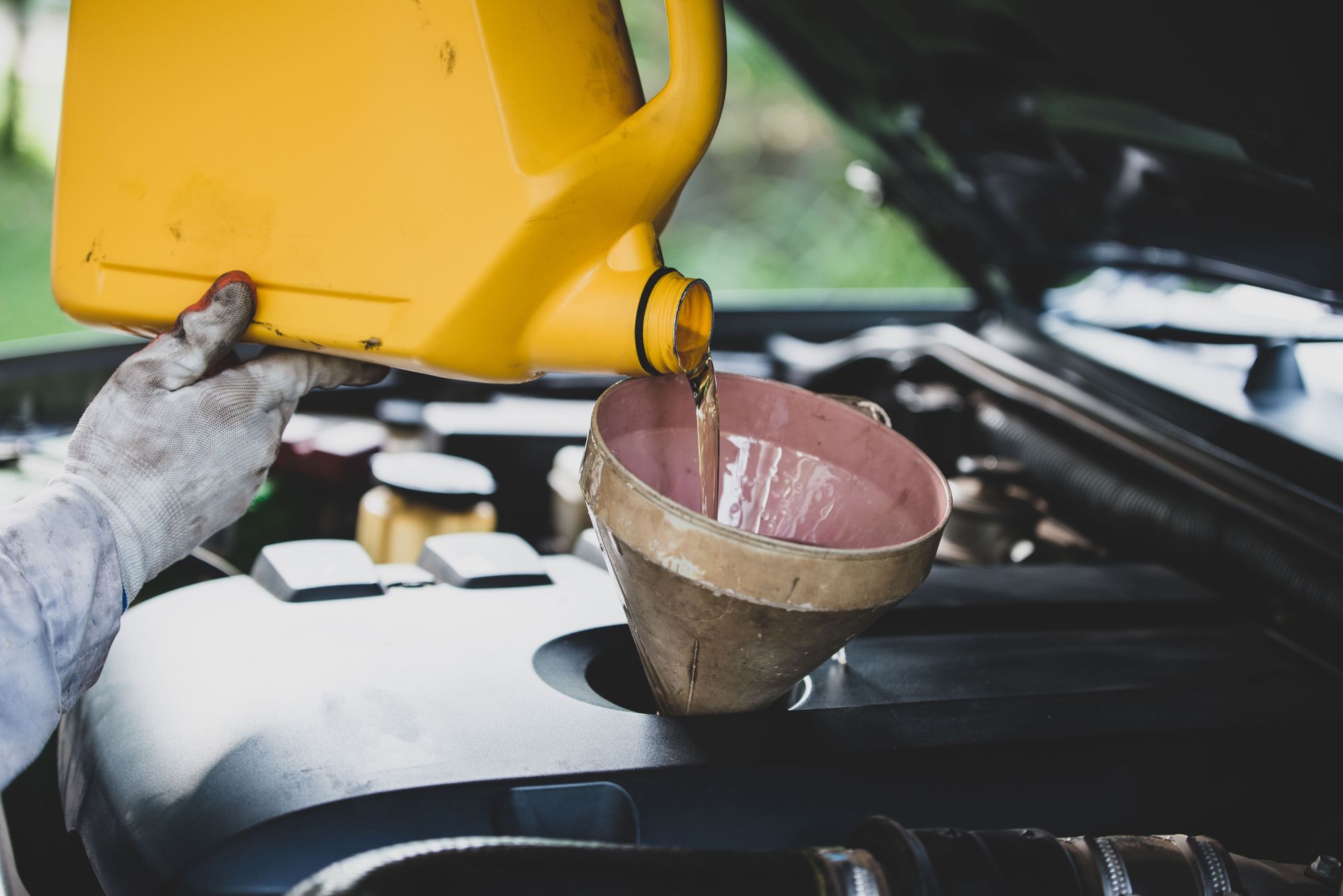
Hydraulic systems are the backbone of heavy industries in the UAE—from construction equipment in Dubai’s mega-projects to manufacturing plants in Abu Dhabi. Yet, a surprising number of system breakdowns are not caused by mechanical defects but by something far less visible: poor selection of hydraulic oil additives.
In fact, industry studies suggest that over 70% of hydraulic system failures are linked to contamination, lubricant degradation, or improper fluid formulation. This blog explores how additive selection directly impacts performance, reliability, and equipment lifespan—and what businesses in the UAE must do to avoid costly downtime.
Why Hydraulic Systems Fail More Than You Think
Hydraulic systems operate under extreme pressure, heat, and continuous mechanical stress. Over time, even minor inefficiencies in fluid chemistry can trigger major issues such as the following:
- Increased wear on pumps and valves
- Foaming and air entrainment
- Oxidation and sludge formation
- Corrosion of internal components
A senior maintenance engineer once noted, “We rarely replace machines first—we replace fluids that were never suited for the operating conditions.”
This highlights a key truth: hydraulic failure often begins at the molecular level.
The Critical Role of hydraulic oil additives
Hydraulic oil is not just base oil—it is a carefully engineered blend enhanced by hydraulic oil additives that determine system performance. These additives perform essential functions such as:
1. Anti-wear protection
Forms a protective film on metal surfaces, reducing friction between moving parts.
2. Oxidation resistance
Prevents oil breakdown under high temperatures, which is especially important in the UAE's hot climate.
3. Anti-foam agents
Reduce air bubbles that can lead to erratic system response and cavitation damage.
4. Corrosion inhibitors
Protect internal components from moisture and chemical attack.
Without the right balance of these additives, even high-quality base oils can fail prematurely.
Common Mistakes in Additive Selection
Many hydraulic failures trace back to poor decision-making during fluid formulation or procurement. The most common mistakes include:
Using generic hydraulic oils
Not all equipment operates under the same load or temperature conditions. A “one-size-fits-all” fluid often leads to inefficiency.
Ignoring OEM specifications
Manufacturers design systems around specific viscosity and additive packages. Deviating from these recommendations can reduce equipment life by up to 30–40%, according to maintenance reports.
Overlooking environmental conditions
In the UAE, extreme heat accelerates oxidation. Fluids without strong thermal stability additives degrade much faster.
UAE Operating Conditions Make Additives Even More Important
The UAE presents unique challenges for hydraulic systems:
- Ambient temperatures frequently exceed 45°C in summer
- Dust-heavy environments increase contamination risk
- Long operating hours in construction and logistics sectors
These conditions demand advanced additive technology. Oils without strong antioxidant and anti-wear formulations simply cannot maintain stability under such stress.
Best Practices for Choosing Hydraulic Oil Additives
To improve system reliability, industries should follow these guidelines:
Match additives to application type
Heavy-duty construction equipment requires different additive strengths compared to precision manufacturing machinery.
Prioritize thermal stability
Choose formulations designed for high-temperature oxidation resistance.
Ensure compatibility
Additives must be compatible with seals, hoses, and base oil chemistry.
Work with trusted chemical suppliers
Reliable suppliers ensure consistency, testing, and compliance with industrial standards.
Conclusion
Hydraulic system reliability is not just about machinery—it starts with chemistry. Poor selection of hydraulic oil additives can silently reduce efficiency, increase maintenance costs, and ultimately lead to premature system failure.
For industries in the UAE, where operating conditions are harsh and downtime is expensive, investing in the right additive technology is not optional—it is essential.
For high-performance lubricant and additive solutions tailored to industrial needs, Top Polymers provides reliable formulations designed to enhance hydraulic efficiency, protect equipment, and extend system life.
Looking to improve hydraulic performance? Start by reviewing your additive strategy today—because every drop of hydraulic oil matters.