
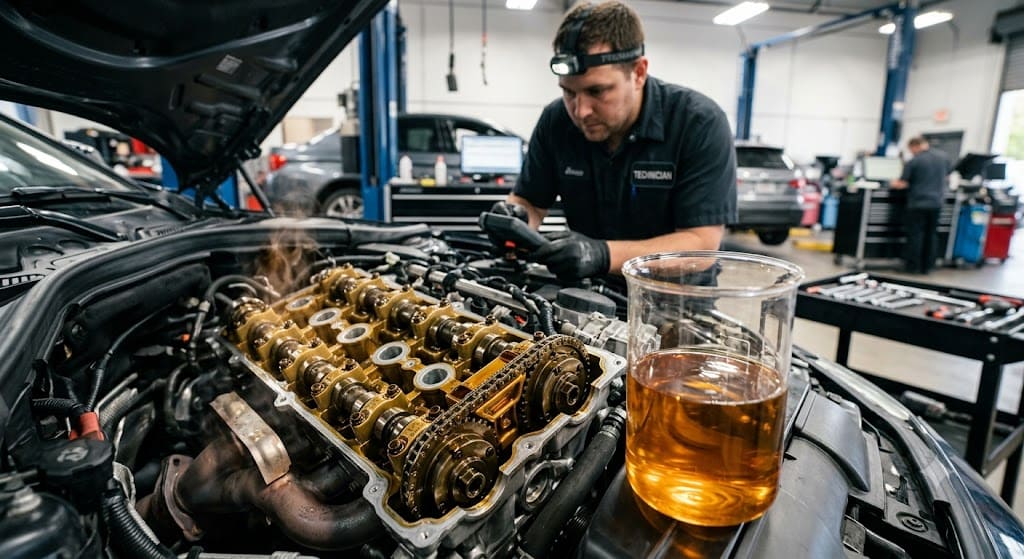
Think about starting your car early on a cool winter morning and then driving for hours under the intense heat of a UAE summer afternoon. The engine experiences two very different temperature conditions, yet the oil must continue flowing smoothly while protecting every moving component. That level of performance isn't possible with base oil alone.
One of the biggest innovations in modern lubrication has been the development of viscosity modifiers in engine oil. These advanced polymer additives have transformed how lubricants perform, making multi-grade engine oils more reliable, efficient, and suitable for a wide range of operating conditions.
Whether you're maintaining passenger cars, commercial fleets, or heavy industrial equipment, understanding the role of viscosity modifiers helps explain why today's engine oils outperform those used just a few decades ago.
What Are Viscosity Modifiers in Engine Oil?
Viscosity refers to an oil's resistance to flow. As temperatures change, so does an oil's viscosity. Cold temperatures make oil thicker, while high temperatures make it thinner.
Viscosity modifiers in engine oil are specially engineered polymer additives that help minimise these changes. They allow the lubricant to remain fluid enough for easy circulation during cold starts while maintaining sufficient thickness to protect engine components when temperatures rise.
This balance is what makes multi-grade engine oils, such as SAE 5W-30 or 10W-40, capable of performing across a broad temperature range.
Before Multi-Grade Oils: The Challenge
Years ago, many vehicle owners had to switch between different oil grades depending on the season.
A thinner oil was often needed for colder conditions to ensure proper flow during startup, while a thicker oil provided better protection in hot weather. This seasonal approach wasn't always convenient and increased maintenance requirements.
The introduction of viscosity modifier technology changed everything by allowing a single lubricant to perform effectively in both low and high temperatures.
How Viscosity Modifiers Work
Viscosity modifiers are long-chain polymer molecules that respond to temperature changes.
At lower temperatures, these molecules remain tightly coiled, allowing the oil to flow freely through the engine during startup.
As the engine heats up, the polymer chains expand. This expansion helps the oil resist excessive thinning, maintaining the protective film needed to reduce wear between moving components.
The result is more consistent lubrication regardless of changing operating conditions.
Why Multi-Grade Engine Oils Are So Effective
The widespread adoption of viscosity modifiers has brought several important advantages to modern lubrication technology.
Better Cold Start Protection
Engine wear is highest during startup, particularly before oil reaches critical components.
Thanks to viscosity modifiers, multi-grade oils circulate more quickly during cold starts, reducing metal-to-metal contact and helping protect engine parts from unnecessary wear.
Reliable Protection at High Temperatures
The UAE's climate presents a demanding environment for engine lubricants. Prolonged highway driving, heavy traffic, and high ambient temperatures all place additional stress on engine oil.
Viscosity modifiers help maintain oil thickness under these conditions, ensuring the lubricant continues to provide a strong protective film even when engine temperatures increase significantly.
Improved Fuel Efficiency
Oil that is too thick creates additional resistance within the engine.
Multi-grade oils formulated with advanced viscosity modifiers reduce internal friction while still providing effective protection, helping improve fuel efficiency without compromising engine durability.
Longer Engine Life
Consistent lubrication reduces wear on pistons, bearings, camshafts, and other critical components.
By maintaining stable viscosity throughout varying operating conditions, these additives contribute to improved engine reliability and reduced long-term maintenance costs.
Why Quality Matters
Not all viscosity modifiers are created equal.
Premium lubricant manufacturers invest heavily in developing advanced polymers that resist mechanical breakdown during extended service.
Inferior additives may lose their effectiveness over time due to shear forces inside the engine. When this happens, the oil can become thinner than intended, reducing protection under heavy loads.
For this reason, choosing engine oils that meet recognised international standards is far more important than focusing solely on viscosity grade.
Benefits for Drivers in the UAE
Vehicles operating in the UAE face unique environmental challenges that make lubricant performance even more important.
High temperatures, heavy traffic, dusty roads, and long-distance driving all place additional demands on engine oil.
High-quality viscosity modifiers in engine oil help drivers by:
- Maintaining stable oil viscosity in extreme heat
- Improving engine protection during long highway journeys
- Supporting smoother engine operation
- Reducing wear under demanding driving conditions
- Extending lubricant service life when used according to manufacturer recommendations
These advantages make multi-grade oils an ideal choice for both private vehicles and commercial fleets across the region.
Choosing the Right Engine Oil
While viscosity modifiers play an essential role, they are only one part of a complete lubricant formulation.
A premium engine oil combines high-quality base oils with balanced additive technology, including detergents, dispersants, antioxidants, anti-wear agents, and corrosion inhibitors.
When selecting an engine oil, always follow your vehicle manufacturer's recommendations regarding viscosity grade and performance specifications. Working with trusted lubricant suppliers also helps ensure you're using genuine, high-quality products.
Final Thoughts
The development of viscosity modifiers in engine oil has reshaped modern lubrication technology. By allowing engine oils to perform consistently across a wide temperature range, these advanced additives have improved engine protection, fuel efficiency, and reliability for millions of vehicles worldwide.
For drivers and fleet operators in the UAE, where engines often operate under extreme heat, choosing multi-grade engine oils formulated with advanced viscosity modifiers is a practical investment in long-term engine performance.
To learn more about premium lubricant technologies or find the right engine oil for your vehicle, contact a trusted lubricant specialist who can recommend solutions tailored to your operating conditions.
Frequently Asked Questions
What are viscosity modifiers in engine oil?
Viscosity modifiers are polymer additives that help engine oil maintain stable viscosity across different temperatures, improving lubrication during both cold starts and high-temperature operation.
Why are viscosity modifiers important?
They help multi-grade engine oils flow easily at low temperatures while preventing excessive thinning at high temperatures, ensuring consistent engine protection.
Do viscosity modifiers improve fuel economy?
Yes. By reducing unnecessary friction while maintaining proper lubrication, high-quality viscosity modifiers can contribute to improved fuel efficiency.
Are viscosity modifiers suitable for all vehicles?
Most modern vehicles using multi-grade engine oils benefit from viscosity modifiers. Always use engine oil that meets your vehicle manufacturer's recommended specifications.